

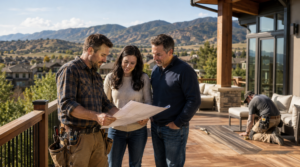
Highlands Ranch has grown into one of Colorado’s most desirable suburban communities, known for attractive neighborhoods, mountain views, extensive trails, well-maintained parks, and convenient access to the Denver metropolitan area. As more homeowners invest in making their properties comfortable and functional, outdoor living spaces have become a central part of residential improvement plans. Custom decks, covered patios, outdoor kitchens, fire features, and integrated seating areas are increasingly viewed as practical extensions of the home rather than optional accessories.
This shift is creating valuable opportunities for Colorado contractors, suppliers, designers, and skilled tradespeople. It also reflects broader changes in how residents use their homes. Families want flexible spaces for dining, entertaining, relaxing, and enjoying Colorado’s scenery without leaving their property. In Highlands Ranch, where homeownership is high and property values remain substantial, a professionally designed deck can improve daily life while strengthening a home’s long-term appeal.
Highlands Ranch Has a Strong Foundation for Home Improvement
Highlands Ranch is a large, established community rather than a small development on the edge of the Denver area. According to the U.S. Census Bureau’s Highlands Ranch QuickFacts, the community had 103,444 residents in the 2020 Census, compared with 96,713 in 2010. Census data also shows a high owner-occupied housing rate and a substantial median value for owner-occupied homes.
These characteristics support a healthy remodeling market. Homeowners who plan to remain in their homes often have a strong reason to improve the space they already own. Instead of moving solely to gain more room, they can expand the usable area of their property through a thoughtfully planned outdoor project.
The community’s history also contributes to current demand. Many Highlands Ranch homes were constructed during earlier periods of rapid development. Original decks may now require major repairs, structural improvements, updated railings, or complete replacement. Other properties were built with basic outdoor platforms that no longer meet the needs or design preferences of their owners.
Background information about Highlands Ranch illustrates how the community developed into a major census-designated place within Douglas County. That growth produced a large collection of homes that are now reaching ages when exterior improvements become increasingly important.
Outdoor Living Has Become Part of the Colorado Lifestyle
Colorado residents have long valued access to mountains, parks, trails, and open spaces. That appreciation for the outdoors increasingly influences residential design. A deck can provide a convenient place to enjoy morning coffee, share meals, host friends, watch children play, or unwind at the end of the day.
Modern homeowners frequently want more than a standard rectangular platform. They may request multiple levels, built-in benches, privacy screens, pergolas, lighting, dedicated grilling areas, or separate spaces for dining and conversation. These additions allow a deck to function more like an outdoor room.
Working with a Custom Deck Builder in Highlands Ranch CO gives homeowners an opportunity to create a structure that fits the architecture of the house, the shape of the property, and the way the household intends to use the space. A customized plan can also account for sun exposure, prevailing winds, neighborhood views, yard access, and connections to existing doors or patios.
This demand benefits more than deck contractors. Outdoor construction supports lumber and composite-material suppliers, equipment rental companies, electricians, landscape professionals, concrete contractors, hauling services, and other local businesses. Every well-managed project can generate activity across several parts of Colorado’s small-business economy.
Higher Property Values Encourage Thoughtful Improvements
A strong housing market changes the way homeowners evaluate remodeling decisions. When a property represents a major financial asset, owners are more likely to consider improvements that protect its condition and enhance its presentation. The goal is not always an immediate sale. Many residents simply want their homes to remain attractive, useful, and competitive within the neighborhood.
Deck construction can address several goals at once. It can replace an aging structure, improve access to the yard, create a safer gathering space, and update the exterior appearance of the house. It can also make an uneven or sloped portion of a property easier to use.
The Colorado State Demography Office tracks population and housing conditions throughout the state. Its data resources show why housing remains closely connected to Colorado’s economic future. As communities change and households evolve, existing properties must adapt to new expectations.
In Highlands Ranch, those expectations often include low-maintenance materials, coordinated colors, safer rail systems, practical stair placement, and spaces designed for year-round or extended-season use. Homeowners are paying closer attention to durability because Colorado weather can place considerable stress on exterior structures.
Colorado Weather Makes Professional Planning Important
Decks in Colorado face intense sunlight, snow, ice, temperature changes, wind, and periods of low humidity. These conditions affect boards, fasteners, finishes, framing components, stairs, and railings. Materials that perform well in another region may require different maintenance or installation methods along the Front Range.
A professional builder must consider drainage, ventilation, structural loads, attachment points, footing depth, and appropriate hardware. Material selection also matters. Traditional wood offers natural beauty and can complement many Colorado homes, while composite products appeal to homeowners who want reduced maintenance and consistent appearance. Each option has its own cost, care requirements, and performance characteristics.
Proper construction is especially important when a new deck is elevated or connected directly to the house. Structural details that remain hidden after completion can determine how safely and reliably the deck performs over time. Careful planning at the beginning helps reduce the likelihood of premature deterioration or expensive corrections later.
Homeowners are also becoming more informed. They frequently research products, compare design options, review maintenance requirements, and study contractor qualifications before making a decision. That preparation tends to favor established businesses that communicate clearly, provide detailed plans, and explain how a proposed structure will meet the property’s needs.
Permits and Building Standards Shape the Local Market
Deck construction is not limited to selecting attractive boards and railings. Depending on the project’s location, height, size, and connection to the home, permits and inspections may be required. Local requirements can influence footing design, guardrail height, stair geometry, structural connections, and placement within the property.
Douglas County provides information concerning building permits and development services, helping property owners and contractors understand the processes that may apply to residential construction. Requirements should be reviewed for the specific address because jurisdictional boundaries and project details can affect which rules govern the work.
Knowledge of local procedures adds value to professional deck construction. An experienced contractor can prepare a design with applicable standards in mind, organize the necessary documentation, and coordinate required inspections. That familiarity can help prevent avoidable delays and protect the homeowner’s investment.
Following recognized standards also strengthens public confidence in the broader contracting industry. When builders handle permits, contracts, schedules, and communication professionally, they contribute to a healthier market for responsible Colorado businesses.
Aging Decks Are Creating Replacement Demand
New outdoor-living projects are only one part of the Highlands Ranch market. Replacement work is becoming equally important as older decks approach the end of their practical service life. Sun exposure, moisture, movement, corrosion, and years of regular use can weaken individual components even when the structure still appears acceptable from a distance.
Common warning signs may include loose railings, soft boards, unstable stairs, corroded connectors, cracked supports, or movement near the point where the deck attaches to the house. Cosmetic treatments cannot correct every structural issue. In some cases, a complete replacement offers a more dependable path than repeated repairs.
Replacement projects also allow homeowners to correct design limitations. A narrow deck can be expanded to accommodate a dining table. Poorly positioned stairs can be relocated to improve circulation. Railings can be updated to preserve a view, and unused corners can become seating or cooking areas. The result is not simply a newer version of the old deck. It can be a significantly more useful space.
This cycle of repair, replacement, and modernization provides steady work for skilled construction companies even when new-home building slows. Colorado’s economic and revenue forecasts monitor residential construction and other conditions that influence the state’s business climate. Remodeling and replacement projects can remain important sources of local activity during periods when broader construction markets become less predictable.
Remote and Flexible Work Changed How Residents Use Their Homes
The expansion of remote and hybrid work encouraged many households to reconsider the purpose of every part of their property. Outdoor spaces became useful for short breaks, informal meetings, family meals, and a change of surroundings during the workday. Even as workplaces continue to evolve, the preference for comfortable home environments remains.
A functional deck adds flexibility without requiring a full interior addition. It can provide a separate setting for adults, children, guests, and pets while helping the interior of the home feel less crowded. Covered sections, shade structures, and lighting can extend the number of hours and seasons in which the space remains useful.
This change in household behavior has influenced residential contracting across Colorado. Consumers are often willing to invest in projects that deliver everyday value rather than improvements intended only for appearance. Deck builders who understand this preference can design spaces around real routines instead of relying on a one-size-fits-all plan.
Custom Designs Help Homes Stand Apart
Highlands Ranch contains a wide range of neighborhoods, lot configurations, architectural styles, and landscape conditions. A design that works well for one property may feel awkward on another. Custom construction gives homeowners more control over proportions, traffic flow, materials, colors, and connections to the surrounding yard.
The most successful designs tend to look as though they belong with the original home. Board direction, railing style, trim details, and stair placement all contribute to that sense of unity. Landscape features can also be incorporated so the deck does not feel isolated from the rest of the property.
Customization is especially useful when the lot presents challenges. Slopes, drainage areas, limited side-yard access, existing trees, window placement, and neighborhood setbacks can influence the final plan. A builder who evaluates these factors early can develop a solution that uses the available space intelligently.
Colorado’s Office of Economic Development and International Trade emphasizes the importance of business growth, housing, employment, and community development across the state. Residential contractors participate in that economy by creating jobs, purchasing materials, supporting suppliers, and improving the housing stock already serving Colorado families.
Skilled Labor Adds Lasting Value to Colorado’s Economy
Deck construction depends on practical knowledge that cannot be replaced by materials alone. Accurate measurements, sound framing, clean finish work, and careful problem-solving distinguish a durable project from a disappointing one. Skilled workers must also adjust to changing products, building requirements, and customer expectations.
The need for experienced tradespeople is part of a wider workforce conversation. The Colorado Department of Labor and Employment provides employment and labor-market resources that help businesses and workers understand conditions throughout the state. Construction careers remain important because they support housing, commercial development, infrastructure, and property maintenance.
Local contractors also tend to circulate money within the regional economy. They purchase fuel, tools, hardware, safety equipment, professional services, and advertising. Successful companies may hire apprentices, add crews, invest in vehicles, and build long-term relationships with suppliers. The impact of demand for custom decks therefore extends well beyond the individual backyard.
Organizations such as the Denver Metro Chamber of Commerce also highlight the role of businesses in supporting a strong regional economy. Highlands Ranch is closely connected to that economy through commuting, construction, retail activity, professional services, and household spending.
Conclusion
The rising interest in custom decks in Highlands Ranch reflects several forces working together: an established base of owner-occupied homes, substantial property values, aging outdoor structures, Colorado’s outdoor lifestyle, and changing expectations for how residential space should function. Homeowners increasingly want outdoor areas that feel intentional, comfortable, safe, and connected to the design of the house.
For Colorado businesses, this demand creates opportunities throughout the construction supply chain. Builders, material suppliers, electricians, landscapers, designers, and other service providers can all benefit when homeowners invest in well-planned outdoor improvements. The strongest companies will be those that combine skilled workmanship with reliable communication, local knowledge, careful planning, and respect for building requirements.
Custom deck construction has become more than a seasonal home-improvement trend. In Highlands Ranch, it represents a practical response to the way residents live, entertain, work, and enjoy Colorado. As homeowners continue adapting existing properties to meet modern needs, professionally designed outdoor spaces are likely to remain an important part of the region’s residential and small-business economy.