

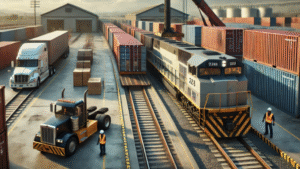
Seattle’s position as a global trade gateway makes it one of the most strategic locations in the United States for launching a transloading company. With access to deep-water ports, proximity to Asian markets, robust infrastructure, and strong demand from industries like agriculture, manufacturing, and e-commerce, Seattle offers a goldmine of opportunity for logistics entrepreneurs.
Transloading—the process of transferring cargo from one mode of transportation to another (usually from ships to trains or trucks)—is vital to the supply chain, especially in regions where international and domestic routes intersect. As consumer expectations for fast shipping grow and global supply chains become more complex, the demand for efficient transloading services continues to rise. 📈
If you’re considering starting a transloading company in Seattle, this guide will walk you through everything you need to know—from legal requirements and logistics infrastructure to startup costs, staffing, marketing, and scaling your operations. Let’s dive in. 🌊
Why Seattle is a Prime Spot for a Transloading Business
Seattle isn’t just the home of Starbucks and tech giants like Amazon—it’s also a logistics powerhouse. Here’s why:
-
Port of Seattle and Northwest Seaport Alliance: One of the largest container gateways in North America. Port statistics show a consistent flow of imports and exports, especially from Asia.
-
Rail Access: BNSF Railway and Union Pacific Railroad both offer intermodal capabilities, linking Seattle to the Midwest and beyond.
-
Proximity to I-5 and I-90: These highways provide critical access for freight distribution throughout the West Coast and inland U.S.
-
Trade Volume: Washington is one of the most trade-dependent states in the country, with international trade supporting over 900,000 jobs, according to Washington Council on International Trade.
With such a strong logistical ecosystem, Seattle is ideal for a transloading operation that can serve ports, rail hubs, and major highways all within close range. 🗺️
1. Understanding the Transloading Business Model
Before investing in the business, it’s essential to understand what transloading involves and how to structure your services.
Types of Transloading Services:
-
Container transloading: Moving cargo from containers to rail cars or trucks.
-
Bulk transloading: For goods like grains, minerals, or liquids.
-
Cross-docking: Temporary unloading and redistribution of goods to minimize storage.
-
Warehousing + value-added services: Includes repackaging, labeling, and minor assembly.
Your business may specialize in one or offer a full suite of services depending on your facility, staffing, and customer base. Flexibility is a key selling point in transloading. 🧰
2. Legal & Regulatory Requirements in Seattle
Here’s a breakdown of the paperwork and permissions you’ll need:
Business Registration:
-
Register your LLC or corporation with the Washington Secretary of State.
-
Apply for a Unified Business Identifier (UBI) number through the Washington Department of Revenue.
Local Licensing:
-
Obtain a Seattle Business License Tax Certificate via the City of Seattle.
Federal Requirements:
-
If handling interstate freight, register with the Federal Motor Carrier Safety Administration (FMCSA).
-
Apply for a USDOT number if you operate your own trucks.
Environmental Compliance:
-
Check with the Washington State Department of Ecology if you’re handling hazardous materials, bulk liquids, or industrial runoff.
Zoning & Land Use:
-
Verify your site is zoned for industrial or transportation use via Seattle’s permitting portal.
Getting these ducks in a row early will save you time and headaches. 📝✅
3. Location, Real Estate, and Facilities
Transloading requires space—often a lot of it.
Considerations for a Transloading Site in Seattle:
-
Proximity to port terminals and rail yards
-
Easy highway access (especially I-5, SR 99, and I-90)
-
Sufficient yard space for container storage and truck maneuvering
-
Zoning and environmental permits
-
Security and surveillance to protect cargo
Industrial space in Seattle can be expensive, so consider outlying areas like Kent, Tukwila, or Auburn, which offer access to major routes at lower costs.
A transloading facility should ideally include:
-
Dock-high doors and truck loading bays
-
Open yard space for containers
-
Covered or climate-controlled warehouse sections
-
Office space for operations and dispatch
Leasing versus buying depends on your budget and long-term goals. Many startups lease initially to reduce capital expenditures. 🏗️
4. Equipment and Technology You’ll Need
Startup costs for equipment can vary widely depending on the type of cargo and the scale of operations. Common essentials include:
-
Forklifts and pallet jacks 🚜
-
Conveyor belts and loading systems
-
Cranes or boom lifts (for containerized or heavy cargo)
-
Flatbed trucks or chassis trailers
-
Rail spurs or access (if rail-served)
Additionally, invest in logistics software and systems to manage:
-
Inventory and warehouse management
-
Bill of lading and shipping documentation
-
Customer relationship management (CRM)
-
Transportation management systems (TMS)
Automation is becoming increasingly important—modern clients expect real-time tracking and inventory data. Tools like ShipBob or Flexport can integrate easily with your platform.
5. Hiring Your Team
Your workforce will be the engine that keeps your operation running. Key hires include:
-
Warehouse workers and forklift operators
-
Truck drivers (if you operate your own fleet)
-
Logistics coordinators
-
Customer service reps
-
Operations manager
Make sure all employees are OSHA-certified and trained in material handling. Safety should be a top priority.
Also, partner with temporary staffing agencies in Seattle that specialize in industrial labor to scale quickly during busy seasons. 👷♂️👷♀️
6. Marketing Your Transloading Business
Once your infrastructure is in place, it’s time to bring in clients. Here’s how to get started:
Target Markets:
-
Import/export businesses
-
E-commerce fulfillment centers
-
Agricultural and food distributors
-
Construction materials suppliers
-
International freight forwarders
Marketing Tactics:
-
Build a professional website with SEO targeting “Seattle transloading services”
-
List your business on Google Maps and logistics directories like ThomasNet or Kompass.
-
Attend trade events like the WESCCON Conference or MODEX
-
Partner with freight brokers, customs agents, and 3PLs
-
Offer a free trial period or discounted rate for first-time customers
Don’t underestimate the power of strong B2B networking in this space. Referrals and relationships drive this industry more than flashy ads ever will. 🤝
7. Understanding the Financials
Startup Costs Estimate:
-
Facility lease & buildout: $100,000+
-
Equipment: $75,000 – $250,000
-
Licensing and permits: $3,000 – $10,000
-
Insurance: $5,000+ annually
-
Technology systems: $10,000+
-
Staff wages: Variable
Revenue Streams:
-
Per-pallet or per-container handling fees
-
Storage and warehousing charges
-
Freight brokerage commissions
-
Value-added services (kitting, labeling, etc.)
Expect thin margins in the beginning, but over time, efficient operations and long-term contracts can significantly improve profitability. 📊
For funding, consider:
-
SBA loans via SBA Seattle District Office
-
Equipment financing from logistics lenders
-
Grants from Washington State Commerce
8. Scaling Your Operations
Once you’re stable, scaling opportunities include:
-
Opening additional locations closer to Tacoma, Everett, or Portland
-
Offering intermodal brokerage and customs clearance
-
Investing in warehousing-as-a-service for ecommerce companies
-
Launching your own freight fleet
Integrating with digital freight networks like Convoy or Uber Freight can also provide a boost in capacity and visibility. 🌐
Conclusion
Starting a transloading Seattle company is a high-potential business move—but it’s not a casual side hustle. It requires a deep understanding of logistics, solid infrastructure planning, tight compliance with regulations, and strategic marketing to build your client base.
That said, the opportunities are massive. With Seattle’s global trade access, strong intermodal infrastructure, and demand from growing industries, you can position your company as a crucial link in the supply chain.
If you’re ready to make your mark in logistics and help goods move faster, smarter, and farther—Seattle is the place to start. 🌟
🧭 Your next move? Start sketching out your business plan, reach out to local port authorities, and begin forming your supply chain relationships. The freight world is waiting. 💼🚛