

Starting a Structural Engineering Business in Brick, NJ: A Practical Blueprint for Getting Your First Clients and Building a Firm That Lasts 🏗️

Business News for Structural Engineer Brick

Starting a structural engineering business in Brick, New Jersey is a real opportunity when it is built on credibility, clear services, and a plan that respects how projects actually move in Ocean County. Brick sits in the middle of constant residential demand, coastal weather realities, renovation cycles, and code-driven upgrades. A firm that shows up dependable, documents well, communicates clearly, and delivers stamped work on time can earn repeat work fast. The goal is not to look big. The goal is to be trusted, busy, and profitable, then grow on purpose. 💪

Know the local demand and pick a clear lane in Brick 🧭

Brick is not a generic market, and structural needs are not generic either. The coastal environment and storm exposure shape homeowner priorities, contractor scopes, and inspection concerns. The fastest path to traction is choosing service lines that match the steady rhythm of local projects. A strong starting mix includes residential additions, load-bearing wall removals, beam sizing, foundation evaluations, deck design and safety checks, garage conversions, roof framing modifications, and retrofit recommendations for older homes. Add targeted services for waterfront and wind-driven risk, including uplift connections, shear transfer details, and retrofit scopes that contractors can actually execute without blowing budgets. 🌊

Commercial can be added later, but early growth often comes from repeatable residential and light commercial work: small retail build-outs, tenant improvements, and quick-turn engineer letters for permits. The point is consistency. A “clear lane” becomes your referral identity, and referrals are the oxygen of professional services. 📈

Build your credibility foundation the right way 🧱

Structural engineering is a trust business before it is a math business. In New Jersey, the expectation is that structural work requiring a stamp is done by a licensed Professional Engineer with the right competency and recordkeeping. If you are launching as the principal engineer, every early choice should strengthen trust: clean documentation, professional proposal language, clear deliverables, predictable timelines, and conservative, code-aligned recommendations.

The public does not hire equations. They hire confidence, clarity, and accountability. That mindset aligns with how professional services survive market swings and earn premium fees. Business fundamentals matter, and broad business conditions influence how owners think about expansion, hiring, and investment.

Set up the business structure and operating basics like a real firm 🗂️

Treat the launch as building a machine that produces excellent work repeatedly. Choose a legal structure that fits your risk profile and tax reality, register properly, and keep your business and personal finances cleanly separated. Use a business bank account from day one and build a bookkeeping rhythm that supports job costing and tax readiness. Keep engagement letters standardized and signed before any site visit deliverables are issued.

Professional services pricing is where many new firms accidentally cap their income. Avoid underpricing simply to win work. A sustainable firm prices for expertise, liability, and speed, not for hours alone. A pricing approach grounded in value and clear options positions you as a professional partner rather than a commodity. Harvard Business Review guidance on pricing services helps frame packages and pricing logic in a way clients understand. 💼

Package your services into permit-friendly deliverables 🧾

In Brick, your deliverables should map to what building departments and inspectors expect, and what contractors need to execute without confusion. Start with a short list of packages that can be quoted quickly:

A permit plan set package for additions and structural modifications, including framing plans, details, notes, and calculations as needed.
A beam and load-bearing wall removal package, including sizing, bearing verification, and connection notes.
A foundation evaluation letter package, with photos, observed conditions, and recommendations tied to code and good practice.
A deck safety and repair scope package, written so a contractor can bid it cleanly.
A storm or coastal retrofit recommendation package, oriented around practical upgrades.

These packages make it easier to sell, easier to deliver, and easier for referral partners to understand what you do. 🧰

Build a referral engine that fits Brick’s real world 🤝

Your first 20 clients are rarely found through ads. They come through people already trusted in the local construction loop: builders, remodelers, architects, home inspectors, real estate agents, and permit expediters. In Brick, that loop is tight. Show up consistently, make other professionals look good, and your phone starts ringing.

Create a simple one-page partner sheet that states exactly what you handle, typical turnaround times, and how to request an appointment. Keep communication tight. Send clear schedules. Deliver on time. Do not surprise partners with scope creep. When you protect their timeline, they protect your pipeline. 🛠️

Professional services markets are also shaped by workforce realities. Engineering talent constraints show up as longer lead times and higher demand for reliable firms. That reality can work in your favor when you operate with responsiveness and a clean process. Bloomberg reporting on engineering workforce pressures highlights how demand dynamics can reinforce the value of dependable engineering capacity. 📌

Use business news signals to guide your growth decisions 📊

A smart firm watches signals, not noise. When small business optimism strengthens, clients take on projects faster, and contractors invest more confidently. When confidence dips, clients still do safety-driven work and essential repairs, but discretionary renovations slow. Keeping an eye on credible business coverage helps you plan staffing, cash reserves, and marketing intensity without guessing. Reuters coverage of small and mid-sized business expectations is the kind of signal that helps you plan for expansion decisions with more clarity. 📈

Tech and AI tools are also becoming part of operations, but the smartest move is selective adoption. Use software that reduces drafting time, improves coordination, and speeds up calculations and reporting, while maintaining engineering judgment and QA. Reuters reporting on how companies are pacing AI adoption reinforces a practical approach: adopt tools that strengthen delivery, not tools that create risk. 🧠

Create a simple, repeatable workflow for speed and quality ⚙️

A new engineering business wins on turnaround time and clarity, as long as quality is non-negotiable. Build a workflow that is easy to repeat:

Intake form and photos before scheduling.
Scope confirmation and written proposal.
Site visit with a consistent checklist.
Calculations and model notes stored in a standardized folder structure.
Drafting templates and standard details library.
Internal QA pass before issuing anything.
Delivery email that explains what you produced and what happens next.

This workflow reduces mistakes, reduces stress, and increases capacity without hiring too early. ✅

Price for sustainability, not survival 💵

In a structural engineering firm, liability and responsibility do not scale down just because the job is small. Your pricing has to reflect travel time, documentation, insurance, stamping risk, and client communication. Build pricing that supports a real life: overhead, software, continuing education, taxes, and time off.

Use tiered options where it makes sense. For example, a basic letter versus a letter plus stamped detail sheet, or a beam sizing package versus full permit drawings. Clients like choices. Contractors like clarity. You like predictable margins. 💰

For broader perspective on starting and structuring a business, business press hubs are useful for mindset and decision patterns that repeat across industries. Financial Times coverage on starting a business is a strong reference point for thinking like an owner rather than an employee. 🧩

Market with professionalism, not hype 🧱

Your marketing should look like engineering: calm, clear, and evidence-based. A clean website with service pages, a strong local presence, and examples of typical deliverables earns trust. Use photos of real projects with permission, show what you provide, and keep the tone steady.

Publishing short educational posts about common Brick-area projects builds authority without giving away your work. Focus on permitting expectations, common framing mistakes, deck safety realities, and coastal retrofit considerations. Use visuals. Keep it practical. 🔧

For additional small business advice and operator-focused content, business media that concentrates on execution and owner education can be a helpful compass. CNBC’s Small Business Playbook is one example of business coverage that emphasizes operating decisions and growth discipline. 📣

Protect the firm with risk controls and professional discipline 🛡️

A structural engineering firm’s reputation is its most valuable asset. Protect it with process, insurance, and boundaries. Use written scopes, limit verbal promises, document assumptions, and keep records organized. Avoid rushed stamping without adequate information. A polite “not with this level of uncertainty” protects you more than any marketing ever will.

Build relationships with good contractors and be selective. The wrong partner creates headaches, unpaid invoices, and reputation risk. The right partner creates years of repeat work. 🧷

For general background on the broader world of business and how firms operate over time, a neutral reference like Wikipedia’s overview of business is useful context as you shape your own operating model. 📚

Conclusion: Start lean, deliver clean, grow on purpose 🚀

Starting a structural engineer Brick business is not about flashy branding. It is about building trust fast, delivering permit-ready work, and becoming the engineer that local professionals rely on when timelines matter and inspections are real. A focused service lane, clear packages, repeatable workflow, and sustainable pricing create momentum. Then referrals compound. With steady operations and smart attention to broader business signals, the firm grows into something strong, respected, and profitable for the long haul. 🏗️✨


Orlando Custom Metal Buildings Growth Playbook: Build Demand, Sharpen Operations, Scale With Confidence 🏗️

Business News for Orlando Custom Metal Building

Orlando keeps expanding, and that growth creates steady opportunity for custom metal building companies that can deliver speed, value, and reliability. The businesses that win here treat growth like a system, not a lucky streak. They build a clear local brand, tighten their estimating and production pipeline, and become the obvious choice for the projects that matter most in Central Florida.

This article lays out practical moves to grow an Orlando custom metal building business by increasing qualified demand, improving close rates, protecting margins, and building a reputation that compounds over time. 🚀

Own a Clear Orlando Position and Stop Competing on Price Alone 🏙️

Custom metal buildings can mean many things, and that is exactly why clarity wins. Orlando buyers range from small business owners needing a shop to investors building warehouse space to property owners adding covered storage. When the message is vague, leads stay shallow and price becomes the only comparison point.

Growth starts by owning a defined position. A focused position communicates what the business builds best, who it builds for, and what buyers get that they cannot get from a generalist. In a fast-moving market, decision-makers choose the vendor who feels safest, simplest, and most predictable.

A strong position also helps you ride macro tailwinds. The pre-engineered metal building market has been widely covered as a growth segment tied to warehousing, e-commerce, and speed-of-delivery advantages. Aligning your offer to those demand drivers helps your marketing and sales land in a receptive audience. U.S. Pre-engineered Metal Building Market Forecast to 2033 📈

Build an “Orlando Growth List” and Treat It Like a Sales Asset 🧱

Orlando’s growth is not abstract. It shows up in specific corridors, specific project types, and specific decision-makers. The fastest path to predictable pipeline is building a target list and staying in front of it consistently.

A practical Orlando growth list includes commercial brokers, property managers, light industrial owners, GC partners, civil engineers, architects who touch industrial shells, and local lenders who finance owner-operators. The goal is not to pitch everyone. The goal is to become the metal building company they remember first when a project lands on their desk.

This is where local development coverage matters. When Central Florida development accelerates, more projects move from planning to procurement, and vendors who already have relationships get called earlier. Central Florida development seen accelerating into 2026 🏗️

Tighten the Estimate-to-Contract Pipeline and Make “Speed” a Feature ⏱️

A growing company closes faster than competitors, not because it pressures people, but because it removes friction. Speed is not rushing. Speed is clarity, process, and fast follow-through.

A strong pipeline system includes disciplined intake, consistent discovery, a clean estimating template, and a proposal format that makes the next step obvious. The best operators reduce back-and-forth by standardizing key decisions, offering clear options, and keeping buyers confident about timeline, permitting, and cost drivers.

Orlando projects feel the pressure of interest rates, insurance costs, and shifting construction pricing. In that environment, buyers reward vendors who provide steady guidance and remove uncertainty. Market outlook reporting reinforces that the region is entering a new phase of momentum with major developments and sustained demand across asset types. Face Off: An Orlando real estate outlook for 2026 ✅

Protect Your Margins With a Real Materials Strategy 🧰

Metal building businesses often grow revenue and wonder why cash feels tight. The culprit is usually margin leakage from material volatility, change orders, rushed procurement, and under-scoped site conditions.

The fix is a real materials and risk plan. Lock pricing where possible, communicate allowances transparently, and build escalation language into contracts when appropriate. Create a short list of preferred suppliers and treat those relationships like strategic partnerships, not transactional purchases.

Industry coverage continues to highlight volatility and demand pressures around metals tied to broader construction and infrastructure trends. Staying current on the business drivers behind metal pricing helps leaders make smarter buying and quoting decisions. Metal Price Volatility Squeezes Projects Amid Data Center Boom 🔩

Win the Local Trust Game With Proof, Process, and Permitting Confidence 🧾

In Orlando, trust is a competitive advantage. Buyers do not just want a building. They want a predictable experience, no surprises, and a partner who understands local realities.

Trust-building assets that drive growth include jobsite photo documentation, clean project timelines, clear permitting guidance, and public-facing proof such as reviews and project spotlights. When a buyer can see the process, they feel safer moving forward.

This is also where educating the market pays off. Many people still do not understand what “pre-engineered metal building” truly means, how it differs from other construction methods, and why it can be a strategic choice for speed and flexibility. A simple explainer that lives on your site, supported by authoritative references, helps prospects self-qualify and move toward a decision. Pre-engineered building 📚

Create Two Growth Offers: One for Owner-Operators, One for Investors 🧩

Orlando demand is diverse, and growth accelerates when the business speaks directly to the buyer’s world.

Owner-operators want reliability, financing clarity, and minimal downtime. Investors want schedule certainty, tenant-ready deliverables, and predictable costs. When you package offers around those needs, sales conversations become easier and referrals increase.

For owner-operators, emphasize durable value, clean scheduling, and straightforward financing readiness. For investor-style builds, emphasize repeatability, scalable scope, and fast close-to-start timelines.

Financing is an underused growth lever. Many small businesses pursue expansion when capital access is available, and understanding lending and capital programs helps a contractor guide buyers with more confidence. U.S. Small Business Administration Releases 2025 Annual Report 💼

Scale Leads Without Chaos by Tracking the Right Numbers 📊

Marketing and sales feel emotional when measurement is missing. Growth becomes calmer when the company tracks a few core metrics weekly and makes small improvements that stack.

The most useful metrics for an Orlando custom metal building company include lead source quality, speed to first contact, quote turnaround time, close rate by project type, gross margin by scope, and change-order frequency. Those numbers show where growth is real and where it is expensive.

Credit and lending trends also matter because they affect how buyers behave. Business news coverage of lending indicators helps leaders anticipate whether prospects will be cautious or aggressive, and that influences how you frame options and timelines. Small Business Lending Increased in April 2025 📉➡️📈

Build Capacity the Smart Way: People, Partners, and Repeatable Systems 👷

Orlando growth can overwhelm a company that scales only by adding jobs. Sustainable growth comes from capacity planning.

Hiring is one lever, but partnerships are another. Strong relationships with slab crews, erection teams, engineering partners, and permitting resources allow the business to take on more work without compromising quality. Document your build standards and jobsite expectations so that every project still feels like your brand.

Manufacturing and industrial activity trends also influence demand for industrial space and the broader environment around production and facilities. Staying aware of those signals helps leaders plan staffing and inventory decisions more confidently. US manufacturing output unexpectedly increases in December 🏭

Conclusion 🏁

Growing an Orlando custom metal building business is not about chasing every lead. It is about becoming the trusted local choice for the right projects and building a system that keeps margins healthy while volume increases.

A clear Orlando position attracts better-fit buyers. A relationship-driven growth list brings repeat opportunities. A fast, disciplined estimate-to-contract pipeline increases close rates. A real materials strategy protects profit. And simple metrics keep growth stable, not stressful.

When those pieces work together, growth stops feeling like hustle and starts feeling like momentum. 💪

Grow Like a Pro: How a Plastic Pallet Manufacturers Business Can Scale Fast and Stay Profitable 📈♻️

Business News for Plastic Pallet Manufacturers

Plastic pallet manufacturing is no longer a niche corner of logistics. It sits right in the middle of the biggest business trends shaping supply chains today: durability, automation, track-and-trace, hygiene standards, and the push toward circular materials. When a manufacturer treats pallets like a commodity, growth stays slow and price-driven. When a manufacturer treats pallets like an engineered logistics asset, growth becomes strategic, repeatable, and defensible.

Below is a practical growth roadmap for plastic pallet manufacturers who want to expand revenue, widen margins, and become the vendor customers do not want to replace.

Position the Business Where the Market Is Moving 🚚

The fastest-growing manufacturers align their story with what decision-makers already care about: fewer losses, fewer damaged loads, safer handling, cleaner operations, and better standardization for automated environments. Many buyers are no longer comparing “plastic vs wood” as a philosophical debate. They are comparing total system performance.

Make your brand messaging speak to operational outcomes, not just product features. Instead of leading with “recycled content” or “stronger deck,” lead with what that means for a distribution center manager, a plant manager, or a procurement lead: reduced product damage, consistent dimensions for conveyors, predictable performance in cold storage, and fewer replacements.

If your team needs to stay tuned to how packaging and supply chain expectations are evolving, publish content and internal talking points that reference credible business coverage of plastics and logistics, like the Financial Times’ reporting on the broader plastics and packaging shift in business strategy and investment cycles. A good example is this FT piece focused on the future of packaging: Financial Times on the future of packaging.

Differentiate the Product Line Like a Portfolio, Not a Catalog 🧩

Growth accelerates when you stop selling “a pallet” and start selling “the right pallet for a specific flow.” Build a product portfolio with clear lanes that match how customers buy:

  • Export and one-way shipping lines

  • Warehouse and racking lines

  • Hygienic and food-grade lines

  • Cold-chain and freezer lines

  • Heavy-duty and high-load lines

  • Recycled-content circular lines for sustainability-driven programs

Each line should have a simple, confident positioning statement that your sales team can repeat consistently. Add performance documentation, deflection testing summaries, and real-world use cases. Over time, your portfolio becomes harder to compare against generic competitors.

You can also reinforce credibility by pointing to the growing business visibility of plastic pallets in public markets and industry coverage. Reuters company pages often summarize how pallet manufacturers position their operations in the market. For example, Reuters’ company profile coverage of a plastic pallet manufacturer can support your internal competitive awareness: Reuters company coverage related to plastic pallet manufacturing.

Win Bigger Deals by Selling Systems and Services, Not Units 🧠

One of the cleanest ways to grow without racing to the bottom on price is to bundle value around the pallet:

  • Pallet lifecycle programs and buy-back structures

  • Repair and refurbishment guidance where applicable

  • On-site pallet audits to reduce loss and shrink

  • Standardization consulting across multi-site operations

  • Labeling, serialization, or embedded tracking options

Many customers are battling “asset leakage,” misplacement, and mismatched pallet specs across facilities. When you help them standardize and control the asset, you become a partner, not a line item.

This is also where partnerships matter. If you collaborate with recycling firms or circular materials partners, you can offer customers a credible end-of-life story that procurement teams can defend internally.

Build Growth Through Strategic Partnerships and Circular Supply 🔄

The fastest way to scale volume is to plug into ecosystems that already move product:

  • 3PLs and warehouse networks

  • Packaging distributors and material handling dealers

  • Large manufacturers with multi-plant footprints

  • Recycling and waste management partners that enable closed-loop feedstock

Circular supply is not just branding. It becomes a procurement advantage when you can reliably source material and document it. It also supports long-term contracts when customers are trying to reduce volatility and lock in consistent supply.

If you want a real-world reference point for how circular pallet products are being positioned in financial and market communications, here is an example announcement coverage related to recycled plastics being turned into reusable transport packaging: FT Markets announcement on a recycled plastics pallet launch.

Modernize Operations So Capacity Scales Without Chaos 🏭

A plastic pallet manufacturer can get trapped by growth if operational discipline does not keep up. The goal is not just “more output.” The goal is repeatable output with predictable quality. That means investing in:

  • Lean layouts that reduce handling time

  • Tooling and mold maintenance systems with clear schedules

  • Quality checkpoints that prevent rework and scrap

  • Documented specs and tolerances that match automation needs

  • Workforce training that reduces variability shift to shift

Operational excellence also becomes a sales advantage. When you can confidently quote lead times and hit them, buyers shift from “try them” orders to “standard vendor” status.

And if your leadership team wants broader perspective on how supply chains are being transformed by technology and transparency, the Financial Times has strong business coverage on digital transformation in logistics that aligns with where pallet programs are headed: Financial Times on digital technologies transforming supply chains.

Use Data and Traceability to Reduce Loss and Increase Reorders 📦

Pallets are increasingly treated as trackable assets. Even basic steps can set you apart:

  • Lot tracking for production runs

  • Mold and batch records tied to QA checks

  • QR codes or labels for internal customer tracking

  • Optional RFID integrations through partners

This reduces disputes, improves reorder predictability, and builds trust. When customers feel like your pallet program is “controlled,” they scale purchases faster. You also gain the data you need to refine designs based on real-world wear and failure points.

Scale Sales by Targeting the Right Buyers and the Right Motives 🤝

To grow consistently, focus on customer segments where plastic pallets are a business decision, not a preference:

  • Food and beverage operations needing cleanliness and consistency

  • Cold storage and freezer logistics needing durability

  • Pharmaceutical and regulated environments needing standards

  • Automated warehouses needing consistent dimensions

  • Pooling, reuse, and closed-loop distribution models

Then tailor your pitch to the motive that matters most in that segment. Some buyers care about hygiene and standardization. Some care about automation performance. Some care about long-term replacement costs. Your job is to make the business case simple and repeatable.

It also helps to stay aware of the broader logistics business environment and how asset recovery and pallet systems are being covered. For example, business reporting about pallet recovery and supply chain operations can reinforce the seriousness of asset control conversations in large networks: WSJ business coverage touching pallet recovery and supply chain issues.

Market with Authority Content and Credibility Links 📰

A manufacturer that wants to grow should not rely only on sales outreach. Publish content that makes your buyers feel informed and safe choosing you:

  • “Plastic pallet vs wood pallet total cost factors” style articles

  • Case studies from distribution centers and plants

  • Guides on pallet standardization across facilities

  • Short operational checklists for warehouse managers

  • Recycling and end-of-life explainers with credible references

When you reference credible sources, it makes your content feel grounded and decision-ready. For foundational background on pallets as a logistics unit load platform, you can include a single educational authority reference like Wikipedia in your content library: Pallet on Wikipedia.

Conclusion ✅

A plastic pallet manufacturers business grows fastest when it stops thinking like a product shop and starts thinking like a logistics performance company. Position around outcomes, build a portfolio that matches real workflows, create partnerships that stabilize feedstock and expand distribution, and modernize operations so scaling does not break quality. Add traceability, publish authority-driven content, and speak the language of procurement and operations leaders.

Do that, and growth becomes more than just selling more pallets. It becomes building a system customers depend on, renew, and expand year after year ♻️📈

Starting an Arborist Business: Build a Tree-Care Company That Lasts 🌳💼

Business News for Arborist Near Me

Starting an arborist business is equal parts craftsmanship and leadership. The craft is learning how to care for trees safely and skillfully. The leadership is building a company that runs predictably, earns trust, and stays profitable in every season. When those two pieces grow together, you end up with something rare in local services: a business with real staying power.

What follows is a practical path to launch with confidence, avoid expensive rookie mistakes, and set your arborist business up for steady growth. 🌲📈

Choose a Clear Niche and a Service Mix That Makes Money

An arborist business becomes easier to sell when it stands for something specific. A tight niche gives people a reason to pick you, and it helps you build repeatable operations. Start with a service mix that matches your skills, your market, and your equipment plan.

Common starting lanes include residential pruning and removals, storm cleanup, tree risk assessments, plant health care, cabling and bracing, and consultation work for property managers. The goal is a blend of “cash now” services and “relationship” services. Removals and storm work can bring fast revenue, while pruning programs and ongoing plant health care create stability across slower months.

As you decide, keep one rule in mind: build around services you can deliver safely, consistently, and profitably with your current resources. Expansion comes after consistency.

Get Legit: Business Structure, Licensing, and Insurance

Arborist work is high-liability. Legitimacy is not paperwork for the sake of paperwork—it is the foundation that protects you, your customer, and your future.

Pick a business structure that fits your plans and risk tolerance. Many new service companies consider an LLC structure because it can create separation between business and personal assets when properly maintained. Whatever you choose, keep your records clean from day one: separate bank accounts, documented expenses, written agreements, and tracked job costing.

Insurance deserves extra attention. General liability is a baseline, and workers’ compensation becomes essential when you have employees. Many arborists also add commercial auto, inland marine for tools, and umbrella coverage as the business grows. When you bid jobs, confidence often comes from being able to say you are properly insured, bonded if needed, and operating professionally.

For a broader snapshot of the small business landscape and why structure matters, this overview is a solid reference: Small business (Wikipedia) 🙂

Build a Safety-First Operation and Make It Non-Negotiable

In tree care, safety is not a poster on the wall. It is your brand, your profitability, and your ability to keep showing up tomorrow.

Start with written safety standards even if it is only you at first. Create checklists for jobsite setup, PPE, saw and chipper protocols, rigging basics, traffic control, and weather decisions. Document near misses. Debrief tough jobs. A safety-first culture reduces injuries, lowers insurance headaches, and improves crew performance when you begin hiring.

Safety also shapes your pricing. The cheapest tree service in town often cuts corners. Your business wins by doing the work right and coming home safe.

Price Like a Business Owner, Not Like a Technician

Many arborists can do excellent work and still struggle financially because their pricing is built on hope instead of math.

Start with job costing. Track the real cost of labor hours, disposal fees, equipment fuel and maintenance, insurance, overhead, and your own compensation. Then add a profit margin that makes the work worth doing. Pricing becomes cleaner when you sell outcomes instead of hours: safer trees, reduced risk, cleared structures, improved canopy health, faster storm recovery.

Put your pricing in writing and standardize your estimating process. Consistency protects your schedule and your margins. It also makes it easier to train a future estimator or office manager.

For grounded guidance on early founder steps and cost thinking, this business coverage is helpful: The first steps to starting up your own business (Financial Times).

Buy Equipment in Phases and Protect Your Cash

A new arborist business can burn cash fast if equipment purchases happen before revenue is stable.

Phase one is reliability: a dependable truck or trailer setup, climbing gear, PPE, saws you trust, basic rigging, and a clean system for tool organization. Phase two adds efficiency: larger saw options, better rigging, upgraded hauling capacity, and mechanized help where it makes sense. Phase three is scale: chipper upgrades, stump grinder additions, mini skid steer, and eventually larger equipment that expands what you can bid.

Used equipment can be smart, but only when inspection and maintenance are taken seriously. Keep a maintenance log from day one. A breakdown on the wrong day can erase the profit from multiple jobs.

Create Simple Systems: Sales, Scheduling, and Job Flow

A business grows when the work runs through a consistent system instead of living in your head.

Build a repeatable customer journey:

  • Intake and quick screening

  • Site visit and estimate

  • Written scope and terms

  • Scheduling and reminders

  • Day-of job execution checklist

  • Cleanup standard and final walk-through

  • Payment process and review request

  • Follow-up care recommendations

Keep it simple and consistent. A basic CRM, calendar discipline, and a clear proposal template can transform chaos into control. Customers feel the difference immediately.

Market Like a Local Pro and Build Trust at Scale

Tree care is trust-based. People are letting you work above their home, near power lines, over fences, and around what they value. Your marketing should communicate calm competence, not hype. 🌿

Use local proof:

  • Before-and-after photos

  • Short videos of safe rigging and clean job sites

  • Reviews and neighborhood references

  • Clear explanations of what you do and what you will not do

  • Professional presentation, uniforms, branded truck, clean estimates

Digital presence matters, but so does reputation in the field. Show up on time. Communicate clearly. Leave the site better than you found it. Those are marketing assets that compound.

For ongoing entrepreneurship coverage and what’s shaping the business environment, this hub is a strong reference point: Entrepreneurship (Financial Times).

Hire Carefully and Train for Consistency

Hiring too early can strain cash. Hiring too late can strain you.

Start with part-time or contract help when workload is uneven, then move into stable roles as your pipeline becomes predictable. Set expectations early: punctuality, safety, communication, and respect for customer property. Train new team members with checklists and shadowing, then move them into responsibility with supervision.

A strong arborist business becomes a training organization, not a hero operation. That shift is where true growth starts.

For a steady stream of small-business reporting and operator realities, this is a useful lens: Small Business (The Wall Street Journal).

Stay Aware of the Business Climate and Protect Your Margins

An arborist business is local, but it does not operate in a bubble. Labor availability, fuel costs, insurance pricing, and consumer confidence can change quickly. Staying informed helps you make smarter decisions about hiring, equipment timing, and pricing updates.

For small-business sentiment and broader forces that can ripple into local services, this type of reporting is worth tracking: U.S. small-business optimism up but uncertainty clouds outlook (Reuters).

Keep Learning, Keep Improving, Keep Expanding

The best arborist businesses keep sharpening both sides of the blade: technical excellence and business leadership.

Invest in skill-building, safety education, and business fundamentals like estimating, customer communication, and financial tracking. As you grow, consider adding recurring services that stabilize revenue, building relationships with property managers and builders, and refining your brand into something memorable.

For an additional business-focused resource that keeps the founder mindset practical, this is worth a look: How To Start A Business: For First-Time Founders (CNBC Make It).

Conclusion 🌳✨

Starting an arborist near me business is a decision to build something real: a service that protects people’s property, improves their landscapes, and keeps communities safer after storms. The path becomes much smoother when you choose a clear niche, lock in safety and insurance, price with discipline, buy equipment in phases, and run the work through simple systems.

Stay steady, stay professional, and treat trust like your most valuable asset. When you do that, your arborist business can grow into a respected local brand that lasts for years—and supports the kind of life you want to build right alongside it. 💚

Forging a Throne From Ink: Why a Dark Medieval Fantasy Author Can Turn His Book Into a Real Business 🛡️📚

Business News for Dark medieval fantasy book

Launching a dark medieval fantasy novel is not just an artistic milestone. It can be the foundation of a legitimate business that grows in value over time, especially when the author treats the book like an asset and the audience like a community. The world has changed for creators. Distribution is wider, marketing channels are more direct, and readers are actively hunting for immersive stories that feel like a refuge from bland, predictable entertainment.

A dark medieval fantasy author has something especially valuable: a genre that thrives on depth, lore, and obsession. The very elements that make the book compelling are also the same elements that make the business model stronger, because readers who fall in love with a grim, myth-soaked world tend to stay, collect, recommend, and return for more. That is not a hobby. That is a market.

A Dark Medieval Fantasy Book Is a Sellable Product, Not Just a Story

A book is one of the few creative products that can be produced once and sold repeatedly without running out of inventory. Even when print is involved, modern print-on-demand models allow authors to sell physical copies without warehouses or massive upfront costs, which shifts the author from “hope it works” to “build it smart.”

This matters because a dark medieval fantasy novel is not usually a one-and-done purchase for the right reader. These readers often buy in formats, not just titles. They want an eBook for convenience, a paperback for travel, and a hardcover for the shelf. They also buy companion items when the world is rich enough, because the story feels like a place they want to keep. That is why the author can think like an entrepreneur while still protecting the soul of the art.

And because self-publishing and indie publishing infrastructure has expanded dramatically over time, the path to market is far more open than it used to be. Amazon’s Kindle Direct Publishing is a clear example of how authors can publish and sell globally while controlling key decisions like pricing and rights.

The Market Rewards Author-Entrepreneurs Who Treat Publishing Like a Business

There is a difference between “writing a book” and “building a publishing business.” The second approach is where real leverage lives. When an author tracks sales, optimizes descriptions, tests covers, builds an email list, and steadily releases new work, the book becomes the first product in a growing catalog.

This shift is not theory. Major business publications have been describing the broader trend of creators becoming entrepreneurs for years, because the economics increasingly favor direct relationships with audiences. The creator economy is built around bypassing traditional gatekeepers and building sustainable income from attention, trust, and repeat purchases.

In practice, that means an author can build a system where each new reader becomes a long-term customer. One book leads to the next. One satisfied buyer leads to word-of-mouth. One series creates demand for pre-orders, special editions, and spin-offs. The author is no longer just selling a single novel. He is selling a world.

Direct-to-Reader Sales Turn a Fanbase Into a Predictable Revenue Engine

For a dark medieval fantasy author, the strongest long-term advantage is the ability to sell directly to readers. Direct sales allow better margins, better data, and a stronger relationship with the audience. When readers buy from the author’s own storefront, the author is not merely renting visibility on a platform. He is building an owned customer base.

This is why more publishers and media strategists have pushed the idea of direct-to-customer models, because they improve resilience and reduce dependence on any single marketplace.

Dark medieval fantasy fits direct sales beautifully. The genre thrives on collectors and devoted fans. Signed copies, limited runs, “forbidden chronicle” bundles, map prints, lore booklets, and premium hardcovers can turn one story into a higher-value offering, without needing to dilute the tone or brighten the darkness. The author simply packages the experience.

Social Discovery Has Become a Business Channel, Not a Lucky Break

For years, authors dreamed of getting discovered. Now discovery is engineered. Social platforms and reader communities can create demand quickly, especially for genre fiction with strong aesthetics. Dark medieval fantasy has a built-in visual identity. Cloaks, sigils, ruins, candles, steel, ravens, stained parchment vibes. That is marketing fuel.

Business media has covered how platforms like TikTok, including BookTok, influence sales and publishing strategies because viral reader behavior has real financial impact.

An author who understands this does not need to become an influencer caricature. He can simply show the work. Share worldbuilding snippets. Post short readings. Reveal character art. Talk about inspirations. Showcase the craft behind the darkness. Each piece of content becomes an on-ramp to the product.

Owning the Intellectual Property Creates Long-Term Upside

A dark medieval fantasy novel is not just a book. It is intellectual property, and IP is how creative businesses scale. When the author owns the rights, he can expand into audiobooks, translations, adaptations, games, merchandise, and collaborations. Some of these will never happen, and that is fine. The point is that the author has optionality.

This is one of the reasons self-publishing has remained so attractive. It gives creators a route to market while maintaining ownership, which can matter more than a single advance when the work becomes a durable brand. Reuters has long highlighted how self-publishing expanded access and output, even while noting that success requires serious business effort.

A dark medieval fantasy author can build a “story company” where the book is the flagship product and everything else is an extension of the world. That is how a lone writer turns into a small media enterprise over time.

The Economics of Digital Publishing Favor Backlists and Series

One of the most underrated business advantages for authors is the backlist effect. When a new book releases, earlier books sell again. When a series gains traction, every volume becomes more valuable. This compounding effect is especially strong in fantasy, where readers often binge and collect.

Publishing trade coverage continues to show how self-publishing output and influence have grown, reflecting the reality that indie authors can drive meaningful volume and shape trends.

A dark medieval fantasy author can lean into this by building a catalog strategy. One standalone novel can sell. A connected universe can sell for years. A trilogy can become a reliable engine. A long-running saga can become a career.

Modern Tools Make It Easier to Operate Like a Business, Even as a Solo Creator

A business needs systems. Today, authors have access to tools for payments, storefronts, email marketing, print-on-demand, audiobook distribution, ad platforms, and analytics. That lowers the barrier to entry and increases the ability to iterate.

There are also new realities in the market, including discussions about AI in publishing and the flood of low-quality content. Reuters reported on how the launch of ChatGPT contributed to a boom in AI-written e-books on Amazon, which pushed platforms and publishers to grapple with quality and trust.

For a serious author, this environment can actually be an advantage. When noise increases, craftsmanship stands out. A well-written, emotionally gripping dark medieval fantasy book with consistent branding becomes a signal of quality. The author can position himself as the real thing by focusing on reader experience, editing, presentation, and community.

This Is a Recognized Industry, With Clear Definitions and Proven Paths

A common mental hurdle for authors is the belief that selling books is not “a real business.” That idea collapses under even minimal scrutiny. Publishing is a global industry. Self-publishing is a recognized model with established definitions, infrastructure, and economics. Even a basic reference point makes that clear. 📌 Self-publishing

Once the author accepts that he is operating a business, his decisions improve. He chooses a clear brand promise. He builds a release schedule. He tracks conversion points. He invests in editing and cover design like a manufacturer invests in quality control. He treats marketing as distribution, not desperation.

Conclusion: A Dark Medieval Fantasy Author Can Build More Than a Book, He Can Build an Empire 🏰🔥

A dark medieval fantasy book is a powerful starting point because the genre naturally supports world-building, loyalty, collecting, and long-term series consumption. Modern publishing platforms make distribution accessible, direct-to-reader models increase profitability and resilience, and social discovery creates real commercial momentum.

The author who embraces the business side does not become less creative. He becomes more free. He stops begging for permission and starts building assets. He stops hoping readers will appear and starts creating reliable paths for them to find the work. And over time, one book can become a catalog, a brand, a community, and a living business built from a dark and beautiful world that readers are proud to carry with them.

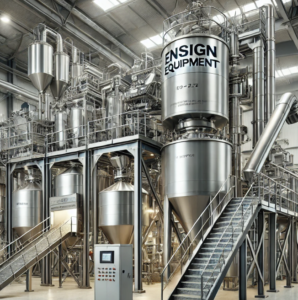
Starting an Ensign Equipment Sales Business: A Practical Playbook for Building a Real Pipeline 🚀

Ensign Equipment for Business News

Selling industrial equipment is not about hype. It is about solving production problems, protecting uptime, and earning long-term trust. An Ensign Equipment sales business can be built as a focused B2B operation that connects manufacturers and processors with bulk material handling solutions designed to move, discharge, store, weigh, and manage dry bulk solids in real facilities. Ensign’s line includes systems and components used for handling materials in bags, gaylords, containers, and more, including bag dump stations and related dry bulk handling equipment.

This article lays out a clear path to launch: market focus, positioning, lead generation, quoting discipline, and service-minded follow-through. It is written for builders who want a steady, reputable sales business that grows through relationships and results. 💪

Learn the Product Line and the Problems It Solves

A strong Ensign-focused sales business starts with product fluency that connects directly to plant pain. Ensign describes its work as engineering, manufacturing, and integrating bulk material handling equipment and systems for dry bulk solids, including conveying, mixing, filling, discharging, storing, and weighing. That language matters because decision-makers buy outcomes, not features.

Use a simple internal map that ties each product category to the operational problem it reduces. A bag dump station, for example, supports ergonomic and controlled introduction of small-bag materials into a process stream and can be configured with dust containment options depending on the application. This kind of clarity helps you hold confident conversations with plant managers, process engineers, and purchasing teams without relying on fluff.

Build a short “application library” from day one. Capture the material type, flow issues, dust concerns, space constraints, and downstream equipment requirements for each conversation. Over time, you will build a repeatable match between customer constraints and Ensign solutions that speeds up quoting and raises close rates. ✅

Pick a Tight Market Focus to Win Faster

Industrial sales rewards specialization. A new sales business grows faster with a narrow, well-defined lane rather than trying to sell everything to everyone. Choose an initial niche based on three filters: density of prospects in a region, repeatability of use cases, and urgency of the pain being solved.

A practical early focus is dry bulk processors who frequently handle additives, powders, pellets, or flakes and need reliable transfer into a system, which aligns naturally with bag dump station use cases. Pair that with adjacent Ensign categories you can confidently discuss, then expand once your pipeline is stable.

This focus also strengthens your messaging. Your outreach stops sounding like generic equipment sales and starts sounding like operational improvement, safety, cleanliness, and throughput. That is the language that gets internal champions to carry your quote through approval. 🏭

Set Up the Business Foundation Like a Real Operator

Treat this like a true B2B operation, not a side hustle. Your foundation needs to support long sales cycles, technical detail, and purchase processes that involve multiple stakeholders.

Set up a basic but professional stack:

  • A clean website that states the niche, the problems you solve, and the equipment categories you represent

  • A CRM to track contacts, facilities, projects, and follow-ups

  • A quoting workflow with version control and clear assumptions

  • A simple intake form for specs, photos, layout constraints, and timelines

  • A calendar system that supports plant walkthroughs, engineering calls, and procurement follow-ups

Build a “quote package” template that always includes scope, options, lead time assumptions, installation responsibilities, and commissioning support. Consistency reduces friction, prevents misunderstandings, and signals professionalism.

Build a Prospecting System That Respects How Plants Buy

Industrial buyers move carefully. They look for vendors who understand operations and follow through. That means your prospecting should be steady, structured, and relationship-driven. 📈

Create a target list by facility type, not just by company name. Track locations, the likely processes on site, and the roles involved in decisions. Then run a weekly rhythm:

  • Outreach to new facilities

  • Follow-up on active opportunities

  • Re-engagement of stalled quotes

  • Relationship touches with engineers and maintenance leaders

  • Referral outreach to integrators and installers

Your outreach content should be grounded: safety, dust control, operator efficiency, uptime, and fit to the existing process. Bag dump stations, for example, can be framed around controlled introduction of dry materials and site-specific configuration options.

Partner Your Way Into Deals

A major shortcut in equipment sales is alignment with the people who already have trust inside plants. Build relationships with:

  • Process engineering firms

  • Systems integrators

  • Millwright and install crews

  • Dust collection specialists

  • Conveying and pneumatic transport providers

These partners influence specs and preferred vendors. Give them clear submittal packages, fast response times, and honest guidance when a solution is not the right fit. This builds a reputation that brings you inbound opportunities over time. 🤝

Master the Discovery Call and Site Walkthrough

Discovery is where the deal is built. The buyer wants to feel understood. You want enough detail to quote accurately and protect margins.

Keep discovery structured and operational:

  • Material characteristics and flow behavior

  • Bag sizes, weights, and handling frequency

  • Dust sensitivity and containment requirements

  • Space and access constraints

  • Downstream equipment interface requirements

  • Cleaning expectations and housekeeping standards

  • Safety and ergonomic concerns

  • Production schedule and downtime windows

When you speak in plant reality, you become a trusted guide rather than a vendor. That reduces price pressure and increases the odds your quote becomes the baseline.

Quote With Discipline and Sell the Total Outcome

A strong Ensign sales business protects both the customer and your operation through clear quoting discipline. Include:

  • A base configuration and two upgrade paths

  • Clear responsibilities for electrical, structural, and installation

  • Lead times and shipping assumptions

  • Training, commissioning, and post-install support options

Position the offer as risk reduction. Plants pay for fewer stoppages, cleaner transfer, safer handling, and smoother operations. When you connect the quote to operational outcomes, you move the conversation away from cheapest price and toward best fit. 🔧

Create Ongoing Visibility With Business News Authority Sources

A smart way to stay relevant with industrial buyers is to share short, useful insights tied to broader business conditions. Supply chain shifts, manufacturing investment cycles, labor availability, and capital spending trends influence when plants buy and how they justify projects. Sharing credible business coverage keeps you top of mind without sounding salesy. 🧠

Use these authority sources for your weekly “one-minute insight” posts or emails, and rotate them to keep it fresh:

Keep each share practical and tied to customer reality: capex approvals, lead times, workforce constraints, and efficiency initiatives. That is business news used as relationship fuel, not content for content’s sake. 📣

Run Follow-Up Like a Professional Service Business

Most deals are won in follow-up. Plants are busy, approvals take time, and projects shift. A reliable follow-up system is a competitive advantage.

Use a simple follow-up ladder:

  • Same day recap with assumptions and next steps

  • 3–5 day check-in with one helpful note or option

  • 2-week touch with a minor refinement or schedule support

  • Monthly check-in for stalled opportunities, tied to their plant calendar and downtime windows

Keep it calm, steady, and helpful. Over time, you become the person they trust to deliver the next project, not just this one. 🌱

Conclusion

Starting an Ensign Equipment sales business is a real opportunity for someone willing to operate with focus, technical clarity, and consistent relationship-building. Learn the product categories and the operating problems they solve, choose a tight niche, build a disciplined quoting and follow-up system, and partner with the people who influence plant decisions. Ensign’s positioning in bulk material handling solutions for dry bulk solids gives you a strong foundation for value-based selling when you tie equipment choices to safety, throughput, and reliability.

Build it steady, keep it practical, and let your reputation compound. 🚀

Launching a Floor Grinding Business in Jacksonville: From Concrete Dust to Consistent Cashflow 🌴

Business News for Floor Grinding Jacksonville

Starting a floor grinding business in Jacksonville brings together strong local demand, hands-on craftsmanship, and the chance to build a highly profitable niche service. Jacksonville continues to grow with new construction, warehouse and logistics facilities, multifamily housing, and hospitality projects. All of that concrete eventually needs surface prep, leveling, and polishing. That is where a focused floor grinding business can step in and own a specialized lane.

Floor grinding is not a generic handyman add-on. Property managers, general contractors, and industrial clients expect clean, level, dust-controlled surfaces that are ready for coatings, polish, or other finishes. When you show up with the right plan, equipment, and branding, your company can become the go-to specialist in the Jacksonville area for everything from old glue removal to high-gloss polished concrete.

The roadmap below walks through the key pieces: understanding the market, forming the business, choosing equipment, building a brand, marketing effectively, and scaling with systems. Follow each step with intention and you build a business that can stand steady, project after project. 💪

Understanding the Jacksonville Market for Floor Grinding 🌴

Jacksonville is a spread-out metro with a blend of industrial, commercial, hospitality, and residential neighborhoods. Floor grinding demand shows up in many pockets: port and warehouse facilities near the river, retail centers and restaurants along busy corridors, office and medical buildings, schools and churches, high-end homes, and beachfront properties needing moisture-resistant flooring solutions.

The more you study local business trends, the easier it becomes to target the right customers. Business journalism exists to track and interpret commercial activity, investment, and economic shifts, which directly influence construction and renovation cycles. Resources such as Business journalism on Wikipedia explain how business reporting frames these trends and why it matters for entrepreneurs. Wikipedia

Staying plugged into daily business headlines helps you read the larger environment that your floor grinding company lives in. Outlets like Reuters Business News deliver breaking stories on markets, rates, and sectors that impact commercial real estate and construction decisions. Reuters When you understand what local developers, logistics firms, and retail operators are reacting to, you can anticipate the types of projects that may be coming.

Even as a local contractor, you are part of a much bigger picture. National business coverage influences lender confidence, developer timelines, and the pace of tenant improvements. Treat business news as a daily briefing that helps you adjust your goals and your sales focus.

Building a Solid Business Plan and Legal Structure 📝

Before buying a single grinder, put a real business foundation in place. A floor grinding business is still a construction business, with risk, liability, and serious equipment involved. Jacksonville and the state of Florida have specific rules related to contracting, licensing, workers’ compensation, OSHA standards, and environmental health for dust and silica exposure. Treat compliance as a core part of your brand, not an afterthought.

A clear business plan spells out:

  • Your primary services: surface prep, coating removal, leveling, crack repair, polished concrete, or a combination

  • Target customers: general contractors, epoxy floor installers, property managers, industrial facilities, retail chains, or homeowners with high-end garages

  • Pricing strategy: hourly, per square foot, or project-based with clear minimums

  • Startup budget: equipment, trailer or truck, insurance, marketing, safety gear, and an emergency cash buffer

  • Revenue goals and break-even point: how many square feet or projects per month you need to cover costs and grow

As you refine your plan, pay attention to how economic news influences small business conditions. Outlets like Bloomberg cover credit markets, construction trends, and business finance, which can affect equipment leasing rates and material costs. Bloomberg Learning to read that information keeps you from planning in a vacuum.

Choose a legal structure that fits your goals, whether that is a single-member LLC or a more complex setup if you have partners. Work with a local attorney or accountant to ensure your contracts, invoices, and insurance stack are aligned with Florida law and the types of projects you plan to perform. A strong legal and financial base makes your company more attractive to commercial clients who want reliable, professional vendors.

Investing in Professional Floor Grinding Equipment and Training ⚙️

The quality of your work rides directly on your equipment and your mastery of it. Floor grinding is not just about pushing a machine back and forth. Different slabs, coatings, and adhesives demand specific diamond bonds, grits, weights, speeds, and passes.

Build your starter equipment package around:

  • A planetary floor grinder capable of handling both residential and light commercial work

  • A powerful, OSHA-compliant dust extraction system with HEPA filtration

  • Various sets of metal-bond and resin-bond diamonds for different hardness levels and finishes

  • Edge grinders and hand tools for tight areas

  • Moisture meters, hardness testers, and surface prep tools

Invest in manufacturer training and industry workshops. Learn how to test slab hardness, how to set up dust control, how to avoid swirl marks, and how to prevent common failures like coating delamination. Training helps you deliver consistent quality and reduces costly callbacks.

Capital investments always feel heavy at the beginning, so it helps to keep an eye on credible business perspectives that illuminate long-term payoffs. Small business owners benefit from resources like Forbes Small Business, which regularly covers equipment financing, growth strategies, and entrepreneurial case studies. Forbes Treat equipment as a revenue-producing asset, not just a cost.

Branding, Pricing, and Positioning in the Local Construction Ecosystem 📍

In Jacksonville, plenty of general contractors and trades already touch concrete, but relatively few specialize in high-standard floor grinding. That gives you room to carve out a tight, expert brand position instead of being another catch-all contractor.

Your brand should communicate:

  • Dust-controlled, clean, professional work environments

  • On-time arrival and completion, even on tight GC schedules

  • Clear expectations around surface profile, finish level, and ready-for-coating conditions

  • Respect for tenants, neighbors, and jobsite rules

Create a simple but memorable name, a clean logo, and consistent visuals across your website, truck wrap, uniforms, and estimates. Position the company as a specialist that makes other trades more efficient: epoxy installers, polishers, coating contractors, and GC superintendents love a grinder who leaves the slab truly ready.

When it comes to pricing, charge based on value and difficulty, not only on square footage. Coating removal with thick epoxy or mastics takes more passes than light grinding on a new slab. Night work, tight deadlines, and downtown projects with difficult access justify higher rates.

Reading established business media helps you understand how strong brands price and position themselves in competitive markets. Publications like the Wall Street Journal Business section share insights into corporate strategy, differentiation, and market segmentation that easily translate into your world, even at a smaller scale. The Wall Street Journal

Marketing Your Jacksonville Floor Grinding Services Online and Offline 📣

Once your foundation and brand are clear, marketing becomes much easier and more focused. The goal is not to shout everywhere, but to show up consistently where your best clients already pay attention.

Key moves include:

  • Building a clean, fast website with clear service descriptions, photos, and a strong call to action

  • Setting up and optimizing your Google Business Profile with accurate service areas around Jacksonville, plus real jobsite photos

  • Encouraging every satisfied GC, property manager, or homeowner to leave a detailed review

  • Sharing project highlights on platforms where local business owners and contractors spend time, including LinkedIn and relevant Facebook or industry groups

  • Networking with epoxy flooring companies, commercial cleaning providers, and painting contractors who often need dependable surface prep partners

National and global business outlets provide context for digital marketing and technology shifts. Financial Times covers global corporate strategy and digital transformation, which often trickles down into how even local contractors are expected to communicate and present their businesses. Financial Times

Similarly, staying aware of how media companies adapt to digital trends through sources like Forbes Business or Reuters Business News reinforces the idea that your floor grinding brand lives in a digital ecosystem, not only on job sites. Forbes+1 That awareness nudges you to keep refining your website, updating photos, and communicating like a modern, responsive company.

Scaling Up with Systems, Hiring, and Strategic Partnerships 🚚

Once you have steady work and consistent profit, growth in a floor grinding business usually arrives through systems and people rather than more hustle. Scaling smartly in Jacksonville means adding capacity without sacrificing quality.

Build simple but effective systems for:

  • Job intake and estimating

  • Pre-jobsite checklists for equipment, diamonds, and safety

  • On-site procedures for protecting nearby surfaces, dust control, and cleanup

  • Post-job follow-up that locks in reviews, referrals, and repeat work

When you hire, focus on attitude and trainability. Floor grinding is teachable, but reliability and respect for safety are non-negotiable. Create clear roles for lead grinders, helpers, and logistics so that jobs start and finish on time.

Strategic partnerships can multiply your reach quickly. Align with coating manufacturers, epoxy flooring companies, and commercial property managers. Become the default surface prep team that they call whenever new projects open up.

To keep your growth decisions grounded, keep learning from serious business news and analysis. Outlets like Bloomberg and Reuters provide macro views of interest rates, material costs, and construction outlooks. Bloomberg+1 Their coverage helps you decide when to invest in another machine, when to expand your territory beyond Jacksonville, and when to be conservative with debt and overhead.

Conclusion: Turning Ground Concrete into a Grounded Business 💼

A Floor Grinding Jacksonville business can become a durable, profitable service company with the right mix of skill, planning, and positioning. By understanding the local market, putting a smart legal and financial structure in place, investing in professional equipment and training, building a specialist brand, and committing to consistent marketing, you create something much more powerful than a side hustle.

You generate clean, safe, beautiful surfaces for warehouses, homes, stores, and offices across the city. You give general contractors and property managers a partner they trust. Most importantly, you turn a technical trade into a business that provides stable income, room for growth, and the pride of seeing your work underfoot in buildings all over Jacksonville.

Stay tuned to credible business news sources like Business journalism on Wikipedia, Bloomberg, Reuters Business, Forbes, the Wall Street Journal Business section, and the Financial Times. Financial Times+5Wikipedia+5Bloomberg+5 Combine that big-picture insight with your on-the-ground work in Jacksonville, and your floor grinding business can stay not only busy, but truly ahead.

Fueling Sustainable Growth: How to Scale a Fire Water Storage Tanks Business for Long-Term Success 🔥💧

Business News for Fire Water Storage Tanks

Growing a Fire Water Storage Tanks business goes far beyond manufacturing and installation. It requires strategic planning, market positioning, operational excellence, and strong customer trust. As commercial properties, industrial facilities, municipalities, and residential developments continue to prioritize fire safety and regulatory compliance, the demand for fire water storage solutions continues to rise. The businesses that grow the fastest are the ones that treat growth like an intentional, scalable system—not a guessing game.

In this guide, we break down exactly how to grow a Fire Water Storage Tanks business from stable operations to a market leader with strong revenue, loyal clients, and brand authority.


The Growing Opportunity in Fire Protection Infrastructure

Fire water storage tanks are a vital part of safety systems across countless industries. Companies, property developers, and local governments need compliant, reliable, and professionally maintained tanks to protect lives and assets. This critical role creates a recurring demand for installation, inspection, maintenance, upgrades, and replacement services.

Additionally, insurance providers and government agencies continue to tighten fire safety regulations, pushing organizations to invest in high-quality storage tanks. This makes the Fire Water Storage Tanks industry both essential and recession-resistant—perfect conditions for scaling if done correctly.


Build a Strong Brand Focused on Safety, Reliability, and Compliance

Clients choose Fire Water Storage Tank providers based on trust. Position your brand as the most reliable and knowledgeable partner in fire safety. Avoid generic marketing. Instead, craft messaging that highlights:

  • NFPA, OSHA, EPA, and local code compliance

  • Installation accuracy and certification

  • Emergency readiness

  • Fast response and long-term durability

  • Transparent inspections and reporting

Create a brand identity that feels professional, responsible, and dependable. Use consistent visuals, messaging, and tone across your website, brochures, email communications, and fleet vehicles.

A strong brand positions you as the premium provider—and premium providers win higher-value contracts.


Expand Services to Create Multiple Revenue Streams

Offering only tank installation can limit growth. The companies that scale fastest become full-service providers by offering ongoing value. Add services such as:

  • Tank fabrication and customization

  • Annual maintenance contracts

  • 24/7 emergency repair services

  • Inspection and compliance documentation

  • Tank cleaning and relining

  • Upgrade and replacement consulting

  • Remote monitoring technology

  • Water quality testing

Recurring services not only generate consistent revenue but also build long-term client relationships that lead to future upgrades and referrals.


Target High-Value Markets and Long-Term Clients

Not all clients offer the same potential. To grow effectively, focus on markets with large budgets, strict compliance demands, and recurring needs. These include:

  • Industrial facilities and manufacturing plants

  • Commercial real estate developers

  • Warehouses and logistics centers

  • Hospitals and educational campuses

  • Agricultural and rural fire protection projects

  • Municipal and government contracts

  • Oil, gas, and energy sectors

Selling to long-term, high-capacity clients results in larger contracts and sustainable growth.


Leverage Digital Marketing to Dominate Your Region

Most decision-makers start online. A modern marketing strategy helps you become the go-to company in your area. Focus on:

Search Engine Optimization (SEO):
Create content around keywords like “fire water storage tank contractors,” “NFPA tank installation,” or “fire protection water tank maintenance.” Rank on Google for every city and state you serve.

Local Business Listings:
Optimize Google Business Profile and build listings on industry directories.

Case Studies and Project Showcases:
Show real results, certifications, and safety improvements from your projects.

Social Proof:
Include testimonials, client logos, and before/after visuals.

Educational Content:
Publish blogs, videos, and guides explaining compliance, tank types, and maintenance needs. This builds authority and trust.

Strategic online visibility ensures your business is not just found—but chosen.


Form Strategic Partnerships and Alliances

One of the fastest ways to grow is by partnering with businesses that already serve your ideal client base. Consider collaborating with:

  • Fire protection engineering firms

  • General contractors

  • Municipal planning departments

  • Insurance companies

  • Industrial facility managers

  • Architects and civil engineers

  • Safety compliance consultants

Partnerships lead to consistent referrals and inclusion in large-scale projects. You become the “go-to” provider when tanks are required.

Invest in Training, Certifications, and Skilled Labor

Your team is the backbone of your growth. Fire safety is regulated and technical—there is no room for mistakes. Invest in ongoing training and certifications such as:

  • NFPA compliance training

  • OSHA and safety certifications

  • Welding and fabrication credentials

  • Inspection and testing qualifications

  • Tank coating and lining skills

When your workforce is highly trained, your company becomes more efficient, more professional, and more trusted. This reduces liability and strengthens your reputation.


Standardize Operations for Scalability

To grow past a small operation, you must build systems that allow consistency. Implement standardized processes for:

  • Installation protocols

  • Inspection checklists

  • Quality control

  • Predictive maintenance schedules

  • Project management tools

  • Safety procedures

  • Client onboarding and follow-up

Streamlined operations allow you to handle more projects without sacrificing quality. Scaling becomes manageable rather than chaotic.


Use Technology to Increase Efficiency and Client Value

Modern technology allows you to stand out in a traditional industry. Implement tools like:

  • Digital project tracking

  • 3D modeling and design software

  • Remote tank monitoring sensors

  • Automated maintenance reminders

  • Client portals for reports and scheduling

  • CRM systems for follow-up and retention

  • Mobile apps for field technicians

These tools save time, improve communication, and elevate the customer experience—leading to more referrals and repeat business.


Win More Contracts Through Government and Corporate Bids

Large contracts fuel growth. Apply to become an approved vendor for:

  • Government agencies

  • Municipalities and county fire departments

  • School systems and university campuses

  • Hospitals and healthcare networks

  • Corporate facility management teams

  • Industrial contractors

Learn how to navigate RFP (Request for Proposal) systems, maintain proper documentation, and submit competitive bids. Winning even one major contract can elevate your company to the next level.


Prioritize Safety, Liability Protection, and Insurance

In this industry, one mistake can destroy trust or result in heavy fines. Make safety a foundational part of your company culture. Focus on:

  • Comprehensive liability insurance

  • Workers’ compensation coverage

  • Site safety audits

  • Regular team safety training

  • Proper documentation of every project

  • Compliance with all federal, state, and local codes

When clients see that you take safety and liability seriously, they view you as a long-term partner—not just a contractor.


Build Authority Through Public Relations and Thought Leadership

To grow faster than competitors, become the face of expertise in your region. Use public platforms to position your business as a leader. Strategies include:

  • Speaking at fire safety and construction conferences

  • Writing informative articles and guides

  • Being featured in Business News sources like Bloomberg or Forbes

  • Contributing expert commentary to industry publications

  • Sharing updates on infrastructure and safety trends

  • Citing credible knowledge sources like Wikipedia for business fundamentals

Public exposure builds credibility, attracts investors, and increases client trust.


Deliver Outstanding Customer Service and Retention Programs

Growth isn’t just about getting clients—it’s about keeping them. Relationship-driven businesses always win. Provide:

  • Fast response times

  • Clear communication

  • Transparency in pricing

  • Follow-up after project completion

  • Regular maintenance reminders

  • Dedicated account managers

  • Loyalty or contract incentives

Every satisfied client is a future referral. Positive experiences create a reputation that grows your business without constant advertising.


Track Data and Optimize Your Growth Strategy

To become a market leader, you must measure performance and refine strategy. Track metrics like:

  • Lead sources and conversion rates

  • Profit margin per project

  • Customer lifetime value

  • Average contract size

  • Maintenance contract renewals

  • Employee performance and training

  • Safety incidents

  • Bid win rate

Use this data to double down on what works and eliminate inefficiencies. Scaling becomes predictable when you manage growth through numbers.


Conclusion: Growth Is the Result of Strategy, Authority, and Excellence 🚀

Growing a Fire Water Storage Tanks business isn’t about luck—it’s about intentional strategy, consistent execution, and delivering undeniable value. When you build a trusted brand, expand services, target high-value clients, leverage technology, and invest in your people, your company becomes unstoppable.

The world will always need fire safety. Regulations will continue to tighten, buildings will continue to rise, and industries will continue to expand. The businesses that prepare now will dominate tomorrow.

Build trust. Deliver quality. Lead with authority.
That’s how you grow a Fire Water Storage Tanks business into an industry powerhouse.