

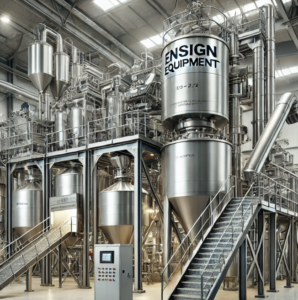
Selling industrial equipment is not about hype. It is about solving production problems, protecting uptime, and earning long-term trust. An Ensign Equipment sales business can be built as a focused B2B operation that connects manufacturers and processors with bulk material handling solutions designed to move, discharge, store, weigh, and manage dry bulk solids in real facilities. Ensign’s line includes systems and components used for handling materials in bags, gaylords, containers, and more, including bag dump stations and related dry bulk handling equipment.
This article lays out a clear path to launch: market focus, positioning, lead generation, quoting discipline, and service-minded follow-through. It is written for builders who want a steady, reputable sales business that grows through relationships and results. 💪
Learn the Product Line and the Problems It Solves
A strong Ensign-focused sales business starts with product fluency that connects directly to plant pain. Ensign describes its work as engineering, manufacturing, and integrating bulk material handling equipment and systems for dry bulk solids, including conveying, mixing, filling, discharging, storing, and weighing. That language matters because decision-makers buy outcomes, not features.
Use a simple internal map that ties each product category to the operational problem it reduces. A bag dump station, for example, supports ergonomic and controlled introduction of small-bag materials into a process stream and can be configured with dust containment options depending on the application. This kind of clarity helps you hold confident conversations with plant managers, process engineers, and purchasing teams without relying on fluff.
Build a short “application library” from day one. Capture the material type, flow issues, dust concerns, space constraints, and downstream equipment requirements for each conversation. Over time, you will build a repeatable match between customer constraints and Ensign solutions that speeds up quoting and raises close rates. ✅
Pick a Tight Market Focus to Win Faster
Industrial sales rewards specialization. A new sales business grows faster with a narrow, well-defined lane rather than trying to sell everything to everyone. Choose an initial niche based on three filters: density of prospects in a region, repeatability of use cases, and urgency of the pain being solved.
A practical early focus is dry bulk processors who frequently handle additives, powders, pellets, or flakes and need reliable transfer into a system, which aligns naturally with bag dump station use cases. Pair that with adjacent Ensign categories you can confidently discuss, then expand once your pipeline is stable.
This focus also strengthens your messaging. Your outreach stops sounding like generic equipment sales and starts sounding like operational improvement, safety, cleanliness, and throughput. That is the language that gets internal champions to carry your quote through approval. 🏭
Set Up the Business Foundation Like a Real Operator
Treat this like a true B2B operation, not a side hustle. Your foundation needs to support long sales cycles, technical detail, and purchase processes that involve multiple stakeholders.
Set up a basic but professional stack:
-
A clean website that states the niche, the problems you solve, and the equipment categories you represent
-
A CRM to track contacts, facilities, projects, and follow-ups
-
A quoting workflow with version control and clear assumptions
-
A simple intake form for specs, photos, layout constraints, and timelines
-
A calendar system that supports plant walkthroughs, engineering calls, and procurement follow-ups
Build a “quote package” template that always includes scope, options, lead time assumptions, installation responsibilities, and commissioning support. Consistency reduces friction, prevents misunderstandings, and signals professionalism.
Build a Prospecting System That Respects How Plants Buy
Industrial buyers move carefully. They look for vendors who understand operations and follow through. That means your prospecting should be steady, structured, and relationship-driven. 📈
Create a target list by facility type, not just by company name. Track locations, the likely processes on site, and the roles involved in decisions. Then run a weekly rhythm:
-
Outreach to new facilities
-
Follow-up on active opportunities
-
Re-engagement of stalled quotes
-
Relationship touches with engineers and maintenance leaders
-
Referral outreach to integrators and installers
Your outreach content should be grounded: safety, dust control, operator efficiency, uptime, and fit to the existing process. Bag dump stations, for example, can be framed around controlled introduction of dry materials and site-specific configuration options.
Partner Your Way Into Deals
A major shortcut in equipment sales is alignment with the people who already have trust inside plants. Build relationships with:
-
Process engineering firms
-
Systems integrators
-
Millwright and install crews
-
Dust collection specialists
-
Conveying and pneumatic transport providers
These partners influence specs and preferred vendors. Give them clear submittal packages, fast response times, and honest guidance when a solution is not the right fit. This builds a reputation that brings you inbound opportunities over time. 🤝
Master the Discovery Call and Site Walkthrough
Discovery is where the deal is built. The buyer wants to feel understood. You want enough detail to quote accurately and protect margins.
Keep discovery structured and operational:
-
Material characteristics and flow behavior
-
Bag sizes, weights, and handling frequency
-
Dust sensitivity and containment requirements
-
Space and access constraints
-
Downstream equipment interface requirements
-
Cleaning expectations and housekeeping standards
-
Safety and ergonomic concerns
-
Production schedule and downtime windows
When you speak in plant reality, you become a trusted guide rather than a vendor. That reduces price pressure and increases the odds your quote becomes the baseline.
Quote With Discipline and Sell the Total Outcome
A strong Ensign sales business protects both the customer and your operation through clear quoting discipline. Include:
-
A base configuration and two upgrade paths
-
Clear responsibilities for electrical, structural, and installation
-
Lead times and shipping assumptions
-
Training, commissioning, and post-install support options
Position the offer as risk reduction. Plants pay for fewer stoppages, cleaner transfer, safer handling, and smoother operations. When you connect the quote to operational outcomes, you move the conversation away from cheapest price and toward best fit. 🔧
Create Ongoing Visibility With Business News Authority Sources
A smart way to stay relevant with industrial buyers is to share short, useful insights tied to broader business conditions. Supply chain shifts, manufacturing investment cycles, labor availability, and capital spending trends influence when plants buy and how they justify projects. Sharing credible business coverage keeps you top of mind without sounding salesy. 🧠
Use these authority sources for your weekly “one-minute insight” posts or emails, and rotate them to keep it fresh:
Keep each share practical and tied to customer reality: capex approvals, lead times, workforce constraints, and efficiency initiatives. That is business news used as relationship fuel, not content for content’s sake. 📣
Run Follow-Up Like a Professional Service Business
Most deals are won in follow-up. Plants are busy, approvals take time, and projects shift. A reliable follow-up system is a competitive advantage.
Use a simple follow-up ladder:
-
Same day recap with assumptions and next steps
-
3–5 day check-in with one helpful note or option
-
2-week touch with a minor refinement or schedule support
-
Monthly check-in for stalled opportunities, tied to their plant calendar and downtime windows
Keep it calm, steady, and helpful. Over time, you become the person they trust to deliver the next project, not just this one. 🌱
Conclusion
Starting an Ensign Equipment sales business is a real opportunity for someone willing to operate with focus, technical clarity, and consistent relationship-building. Learn the product categories and the operating problems they solve, choose a tight niche, build a disciplined quoting and follow-up system, and partner with the people who influence plant decisions. Ensign’s positioning in bulk material handling solutions for dry bulk solids gives you a strong foundation for value-based selling when you tie equipment choices to safety, throughput, and reliability.
Build it steady, keep it practical, and let your reputation compound. 🚀